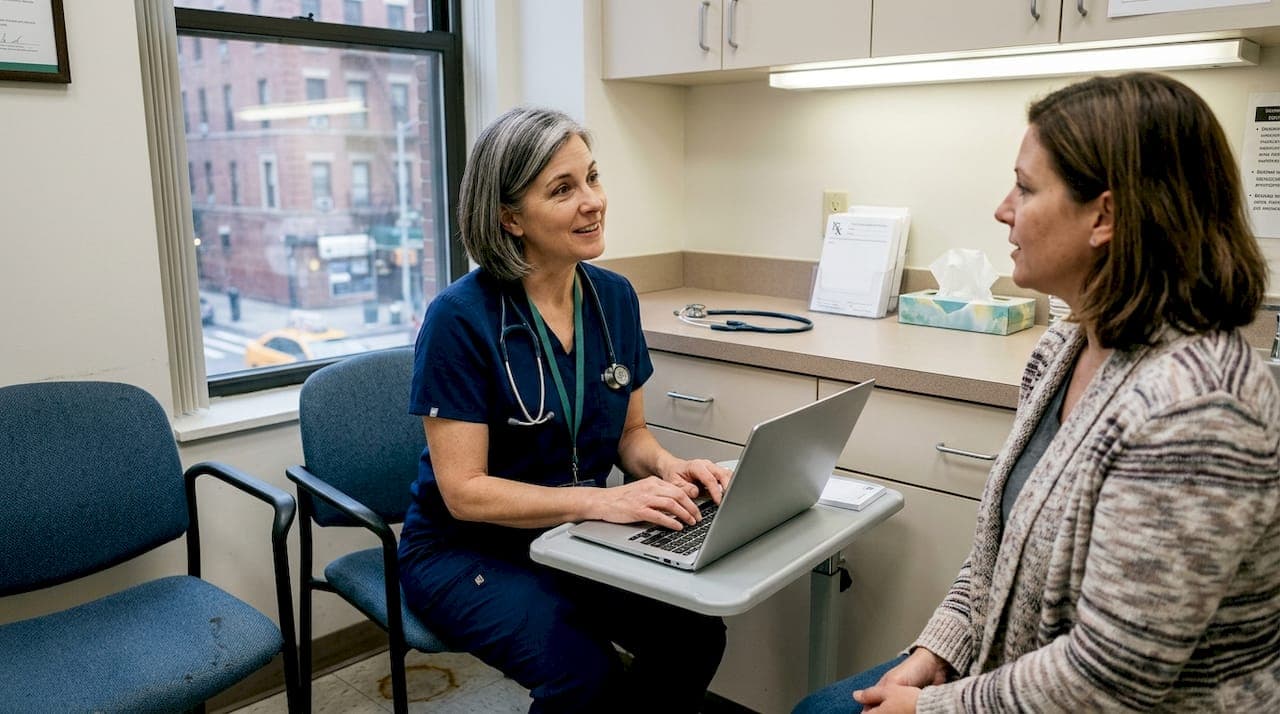
Primary care is often the most misunderstood part of the American healthcare system. Many people think of it as just an annual physical or a stepping stone to see a specialist. But that picture is incomplete. Primary care is actually the backbone of your long-term health, handling everything from preventing illness to managing diabetes, heart disease, and dozens of other ongoing conditions. For residents in North Bergen and Secaucus, having a trusted primary care provider means having a partner who knows your full health story and helps you make smarter decisions at every stage of life. This guide breaks down what primary care really is, why it matters, and how you can make the most of it.
Table of Contents
-
How primary care supports prevention and chronic disease management
-
A fresh perspective: What most people get wrong about primary care
-
Connect with primary care services in North Bergen and Secaucus
Key Takeaways
| Point | Details |
|---|---|
| Primary care’s key role | Primary care delivers most of your everyday health needs, emphasizing prevention and long-term wellness. |
| Comprehensive care attributes | Accessibility, continuity, coordination, and broad expertise define high-quality primary care. |
| Impact on chronic conditions | Primary care is essential for managing chronic diseases and preventing future complications. |
| Challenges and solutions | Despite underfunding and provider shortages, investing in primary care improves outcomes for individuals and communities. |
What is primary care and why does it matter?
Primary care is not simply a first stop before you see a “real” doctor. It is, in fact, a complete and sophisticated form of healthcare on its own. According to the National Academy of Medicine, primary care is defined as the provision of integrated, accessible health care services by clinicians who are accountable for addressing a large majority of personal health care needs, developing a sustained partnership with patients, and practicing in the context of family and community.
That definition packs a lot in. Let’s unpack it. “Integrated” means your provider looks at your whole health picture, not just one symptom. “Accessible” means you can reach them when you need to, without jumping through hoops. “Sustained partnership” is the part most people undervalue. It means your primary care doctor knows your history, your lifestyle, your concerns, and your goals over time.
For residents in North Bergen and Secaucus, this relationship is especially valuable. Local primary care providers serve families across all stages of life, from children getting their first vaccines to older adults managing multiple conditions. When you have a provider who knows you well, care becomes more personalized and more effective.
There are many reasons to have a primary care doctor that go beyond the obvious. Your provider can catch problems early, coordinate your care with specialists, and help you avoid unnecessary emergency room visits. If you have ever wondered about the difference between urgent care and primary care, the short answer is this: urgent care handles one-time problems, while primary care builds a continuous relationship focused on your overall wellbeing.
If you are new to the area or have never had a regular doctor, learning about getting your first primary care physician is a practical first step. Starting that relationship early pays off in the long run.
“Primary care is not a lesser form of medicine. It is the foundation that makes all other healthcare more effective.”
The core value of primary care is simple: it keeps you healthier, longer, and at a lower cost than reactive specialty care alone.
Core attributes of high-quality primary care
Not all primary care is created equal. Research identifies four key attributes that define truly effective primary care, and understanding them helps you know what to look for in a provider.
The four core attributes are first-contact care, longitudinality, comprehensiveness, and coordination. Each one plays a distinct role in your health.
First-contact care means your provider is accessible and approachable when a health concern arises. You should not have to wait weeks for an appointment or feel dismissed when you call with a question. In North Bergen and Secaucus, local practices that offer same-day or next-day appointments fulfill this attribute well.
Longitudinality refers to the lasting relationship between you and your provider. Over months and years, your doctor learns what is normal for you, which makes it easier to spot changes. This is especially important for managing conditions like high blood pressure or diabetes, where trends over time matter more than a single reading.
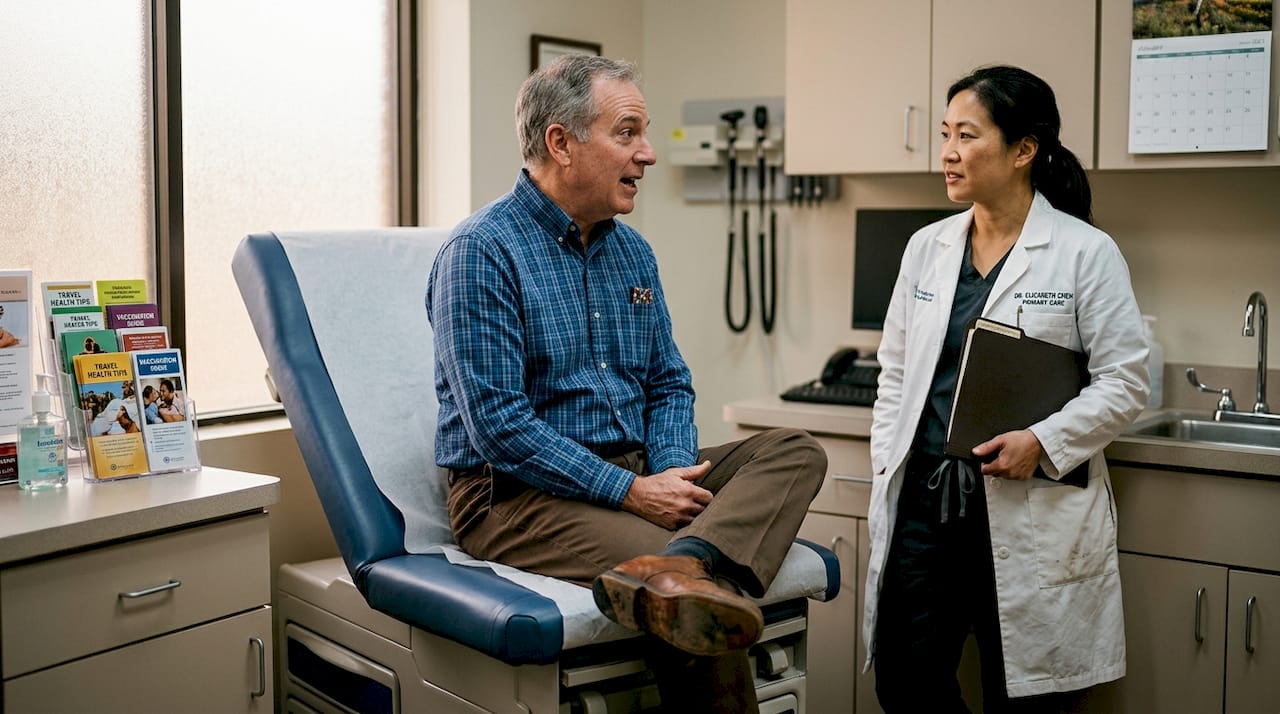
Comprehensiveness means your primary care provider can handle a wide range of health needs, from mental health concerns to minor injuries to chronic disease management, without immediately referring you elsewhere. This saves you time and ensures continuity.
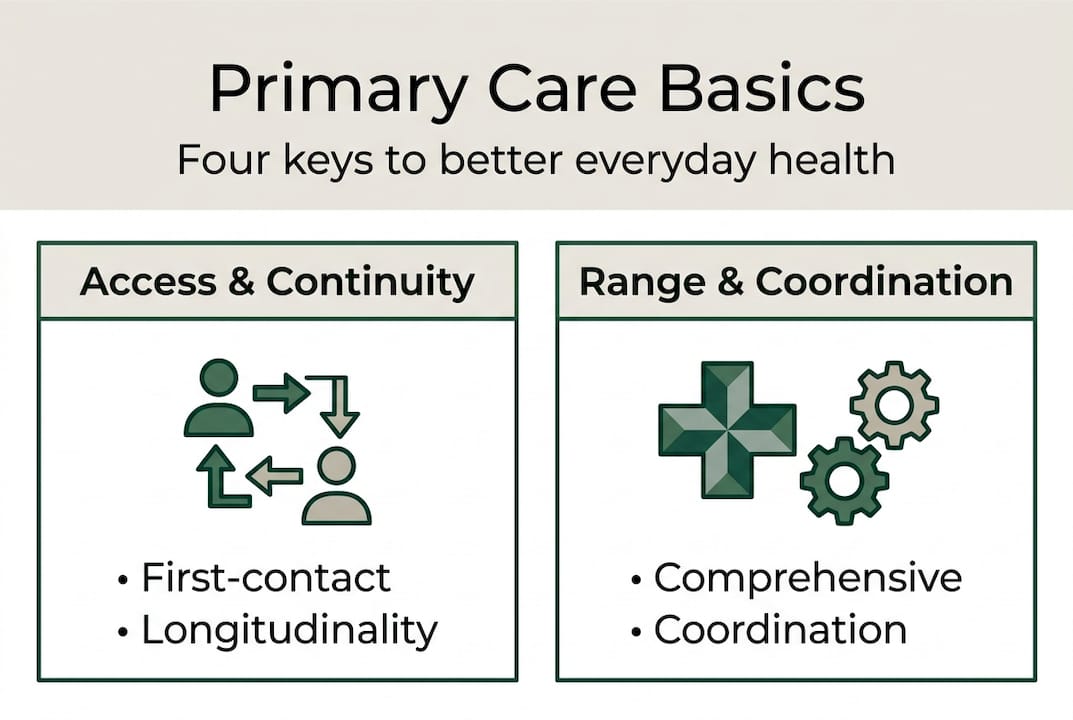
Coordination is the glue that holds everything together. When you do need a specialist, your primary care provider should facilitate that referral, share your records, and follow up on the results. This prevents the all-too-common experience of falling through the cracks between providers.
Here is a quick comparison to illustrate how these attributes show up in practice:
| Attribute | What it looks like in practice |
|---|---|
| First-contact | Same-week appointment for a new concern |
| Longitudinality | Doctor remembers your family history without you repeating it |
| Comprehensiveness | Managing anxiety and blood pressure in the same visit |
| Coordination | Receiving a follow-up call after your cardiology appointment |
Knowing how to maximize your primary care visit can help you take full advantage of all four attributes. And if you are unsure which type of primary care physician is right for your needs, there are clear differences between family medicine, internal medicine, and other specialties worth understanding.
Pro Tip: Before your next appointment, write down your top three health concerns and any medications you are taking. This simple step helps your provider deliver more comprehensive care in the time you have together.
How primary care supports prevention and chronic disease management
One of the most powerful roles primary care plays is keeping you healthy before problems become serious. Preventive health programs in primary care include screenings, immunizations, lifestyle counseling, and risk assessments. These services are not just routine. They are evidence-based tools that catch disease early and reduce your risk of costly hospitalizations.
Here is what a typical prevention-focused primary care experience might include:
-
Annual wellness visit to review your overall health, update vaccinations, and order any needed screenings.
-
Blood pressure and cholesterol checks to identify cardiovascular risk before symptoms appear.
-
Diabetes screening for adults with risk factors like family history or excess weight.
-
Cancer screenings such as colonoscopies, mammograms, or skin checks based on your age and risk profile.
-
Lifestyle counseling on nutrition, physical activity, sleep, and stress management.
For those already living with a chronic condition, primary care is where ongoing management happens. Your provider monitors your lab results, adjusts medications, and helps you understand how your daily choices affect your health. The chronic care management program available locally in North Bergen and Secaucus is designed specifically for patients managing complex or multiple conditions.
If you have questions about what this kind of care involves, reviewing common chronic care questions can give you a clearer picture of what to expect.
The data on prevention is compelling. When primary care catches a condition early or prevents it entirely, patients avoid expensive specialist visits, emergency care, and hospitalizations. That is better for your health and your wallet.
| Preventive service | Condition it helps detect or prevent |
|---|---|
| Blood pressure screening | Hypertension, stroke, heart disease |
| Cholesterol panel | Cardiovascular disease |
| Blood glucose test | Type 2 diabetes |
| Colorectal screening | Colon cancer |
| Immunizations | Flu, pneumonia, shingles, COVID-19 |
The state of primary care in the U.S. and our local area
Despite its importance, primary care is facing serious challenges nationwide. US primary care spending sits at under 5% of total health spending as of 2022. That number is strikingly low given how much of the healthcare burden primary care carries.
The workforce picture is equally concerning. There are roughly 103.8 primary care clinicians per 100,000 people in the U.S., and shortages are projected to grow. More than 30% of American adults currently lack a usual source of care, meaning they have no regular provider to turn to.
What does this mean for you locally? In communities like North Bergen and Secaucus, access to consistent primary care is not something to take for granted. When people lack a primary care provider, they are more likely to use emergency rooms for non-emergency issues, miss preventive screenings, and experience worse outcomes for chronic conditions.
The consequences of neglecting primary care investment ripple outward.
-
Higher rates of preventable hospitalizations in underserved areas
-
Delayed diagnoses for conditions like diabetes and hypertension
-
Greater reliance on costly specialty and emergency care
-
Worse health outcomes for low-income and uninsured populations
Investing in primary care access, both at the policy level and as an individual choice, improves health outcomes and reduces overall healthcare costs. Choosing to establish care with a local primary care practice is one of the most impactful health decisions you can make.
Expert debates: How primary care is evolving
Primary care is not standing still. The field is actively evolving in response to workforce pressures, patient complexity, and new models of care delivery.
One of the biggest shifts is toward team-based care. Rather than relying on a single physician to manage everything, modern primary care practices increasingly use nurses, medical assistants, pharmacists, and care coordinators to share the workload. This model improves access and allows each team member to work at the top of their training. Team-based, patient-centered care is now widely recognized as the direction primary care must move to remain sustainable.
But this shift comes with real debates. One ongoing discussion is whether stable chronic conditions like controlled hypertension or well-managed diabetes should be delegated to pharmacists or other non-physician providers. Proponents argue this frees up physician time for more complex cases. Critics worry it fragments care and weakens the patient-provider relationship.
Another tension involves prevention. Guidelines recommend dozens of preventive services, but fitting prevention into a standard visit is genuinely difficult. A typical appointment is 15 to 20 minutes. Addressing a patient’s immediate concern, reviewing medications, and completing recommended screenings in that window is a real challenge.
“The primary care visit is one of the most complex cognitive tasks in medicine. Expecting one clinician to do it all, alone, is no longer realistic.”
For you as a patient, this means being an active participant in your care. Know your health history. Bring your questions. Follow up on referrals.
Pro Tip: If your practice uses a patient portal, use it. Messaging your care team between visits, reviewing your lab results, and updating your medication list keeps your care team informed and saves valuable time during appointments.
A fresh perspective: What most people get wrong about primary care
Here is an honest observation: most people treat primary care like a fire extinguisher. They know it is there, but they only reach for it when something is already burning.
The real power of primary care is not in the crisis moments. It is in the quiet, consistent visits where your provider learns who you are, tracks subtle changes, and catches things before they become emergencies. That kind of relationship takes time to build, and it only works if you show up before you are sick.
Waiting until you feel bad to establish care is one of the most common and costly mistakes people make. By the time a condition becomes symptomatic, it is often harder and more expensive to treat. Proactive engagement is not just smart. It is the entire point.
If you want to understand when to seek primary care expertise, the answer is almost always sooner than you think. The residents in North Bergen and Secaucus who get the most from their primary care are the ones who treat it as an ongoing relationship, not a one-time transaction.
Connect with primary care services in North Bergen and Secaucus
You now have a solid understanding of what primary care is, why it matters, and how it can work for you. The next step is putting that knowledge into action.
Garden State Medical Group offers accessible primary care services for patients of all ages in North Bergen and Secaucus. Whether you need a new primary care provider, want to enroll in a chronic care management program, or are interested in a diabetes prevention program, our team is here to support your health goals. We accept most major insurance plans and offer convenient scheduling to make quality care as accessible as possible. Reach out today to schedule your first visit or consultation.
Frequently asked questions
What conditions are managed by primary care?
Primary care addresses the majority of personal health needs, including routine checkups, chronic diseases like diabetes and hypertension, minor injuries, mental health concerns, and preventive screenings.
How does primary care differ from urgent care?
Primary care builds a sustained partnership with patients over time and coordinates all aspects of your health, while urgent care is designed for one-time, non-emergency issues that need quick attention.
Why is there a shortage of primary care doctors?
Primary care spending remains under 5% of total U.S. health spending, and lower reimbursement rates compared to specialty care make it harder to attract and retain primary care clinicians nationwide.
What preventive services can I get from primary care?
Through primary care, you can access screenings, immunizations, counseling, and personalized risk assessments that help detect and prevent serious conditions before symptoms develop.