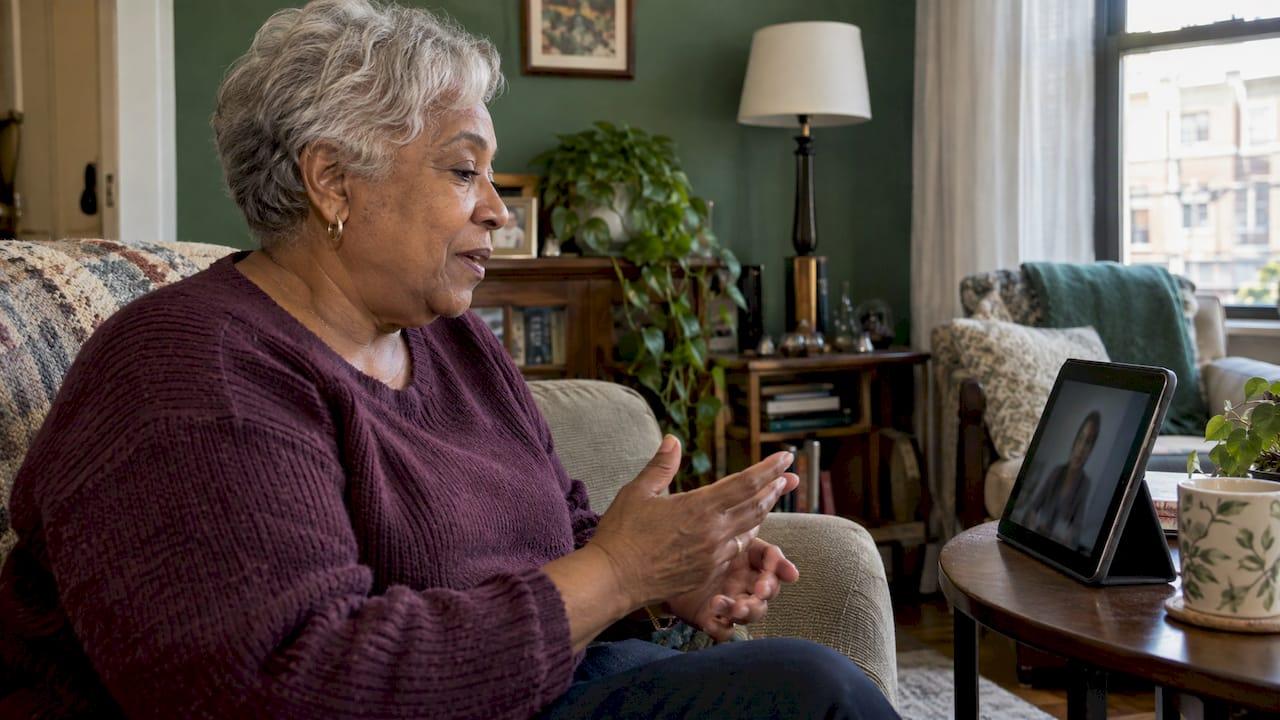
Telemedicine for chronic care means seeing your clinician by video or phone for the ongoing part of managing a condition: reviewing symptoms, adjusting medications, going over home readings and planning what comes next. It works best as one half of a pair, with virtual visits for routine follow-ups and in-person visits for exams, tests and anything new or worsening. At Garden State Medical Group, we offer telemedicine visits alongside primary care, cardiopulmonary care and onsite diagnostic testing in North Bergen and Secaucus, so both halves of that pair sit under one care team.
TL;DR
- A chronic-care telemedicine visit is a scheduled follow-up by video or phone to review symptoms, readings, medications and your care plan.
- Federal health guidance describes virtual visits as a way to track and adjust medications, share home data between visits and coordinate care for people with more than one condition.
- Preparation matters: have your home readings, medication list and recent test results ready before the call.
- Medicare currently lets beneficiaries use telehealth from anywhere in the U.S. through December 31, 2027, and care management services such as Chronic Care Management follow their own rules.
- Virtual and in-person care work together. Sudden or severe symptoms need urgent in-person care or 911, not a scheduled video visit.
Table of Contents
- What a chronic-care telemedicine visit actually is
- What a follow-up visit covers
- What the research says about results
- Which conditions and needs suit virtual visits
- How to prepare for a virtual follow-up
- What happens after the visit
- Monitoring between visits
- Medicare, Medicaid and what covers what
- Coordinating virtual and in-person care
- How we support chronic care in North Bergen and Secaucus
- Our perspective
- FAQ
- Sources
What a chronic-care telemedicine visit actually is
A chronic condition is one that lasts a year or more and needs ongoing attention, such as diabetes, high blood pressure, heart failure, asthma or COPD. Managing one usually means regular check-ins to see whether the plan is working. Many of those check-ins do not need a physical exam. They need a conversation, a look at your numbers and a decision about whether anything should change.
That is what a telemedicine follow-up covers. You connect by secure video (or sometimes phone) from home. Your clinician asks how you have been feeling, reviews readings such as blood pressure, blood sugar or weight, checks how you are taking your medications, and updates the plan. You leave with a clear next step: stay the course, change a dose, schedule a test, or come in for an exam.
The U.S. Department of Health and Human Services (HHS) describes the main uses of telehealth in chronic disease as virtual specialist visits, remote monitoring with alerts for out-of-range data, medication management, care coordination for patients with several conditions and online behavioral health support. Not every practice offers every one of those tools, and you do not need all of them. The visit itself is the foundation.
What a follow-up visit covers
A typical virtual follow-up moves through a few predictable steps.

Symptoms and how you feel. You describe changes since the last visit: more shortness of breath, new swelling, dizziness, poorer sleep, fatigue. Your clinician can see you and hear you, which tells them a good deal about breathing and general condition.
Your numbers. If you track blood pressure, glucose, weight or oxygen levels at home, this is where they get used. Trends across weeks say more than a single reading in an office, which can be affected by traffic, stairs or nerves.
Medications. HHS notes that virtual meetings can be used to track, review and adjust medications, and that telehealth tools can support adherence with reminders and refill alerts. Many medication changes for stable conditions are simple enough to handle this way, which saves you a trip.
Results and orders. Your clinician goes over recent lab or imaging results and orders anything needed next. If a test must be done in person, such as an EKG or a pulmonary function test, the visit is where that gets scheduled.
The plan. You agree on goals for the next visit and whether it should be virtual or in person.
What the research says about results
It helps to know what virtual follow-up can and cannot promise. A 2017 metareview in the Journal of Medical Internet Research looked at 53 systematic reviews covering 232 randomized trials. It found that blood glucose telemonitoring with feedback improved blood sugar control in type 2 diabetes, and that telemonitoring and telephone support reduced deaths and hospital admissions in heart failure. None of the reviews found evidence of harm, and more intensive, multi-part programs were linked to bigger improvements.
A 2024 randomized trial from Norway tells a complementary story from the patient side. People followed with tablets and home devices for blood pressure, blood sugar and oxygen saturation were mainly satisfied and felt safer and better able to understand their symptoms. In that program, abnormal measurements prompted a nurse to follow up using a traffic-light plan, so the patient was not left to interpret a worrying number alone.
The practical lesson is that the value comes from the whole arrangement: regular contact, a clinician who reads your data, and a clear plan for what happens when something is off.
Which conditions and needs suit virtual visits
Virtual follow-ups fit best when your condition is established and you are being monitored rather than diagnosed. Common examples include:
- Blood pressure and cholesterol check-ins
- Diabetes follow-ups, including review of glucose logs
- Asthma and COPD check-ins
- Thyroid medication follow-ups
- Heart failure monitoring between office visits
- Medication refills and dose adjustments for stable conditions
- Reviewing test results and updating a care plan
- Weight management and lifestyle coaching
The American College of Cardiology's telehealth workbook makes clear that the right balance of virtual and in-person care depends on the provider, the patient, the severity and the diagnosis, and that it can differ with other health conditions, personal preferences and social circumstances. In other words, your clinician decides the mix with you, and it can change over time.
When you need to be seen in person
Some situations call for hands-on care, testing or emergency help:
- A physical exam, such as listening to your heart and lungs, checking your feet if you have diabetes, or examining swelling
- Tests that require equipment, including an EKG, echocardiogram, stress test, Holter monitor, bone density test or pulmonary function test
- A new symptom that has not been evaluated before
- A condition that is not responding to the current plan
Chest pain, severe shortness of breath, signs of a stroke, fainting or any sudden severe symptom needs 911 or the nearest emergency department. Do not wait for a scheduled video visit.
This is where having diagnostics under the same roof helps. Our diagnostic testing includes EKG, echocardiogram, stress test, Holter monitor, pulmonary function testing, ankle-brachial index, bone density testing, retinopathy screening and blood tests, so a virtual visit that turns up a question can lead to an in-person test with the same group.
How to prepare for a virtual follow-up
A little preparation makes a 20-minute call far more useful. The American College of Cardiology workbook lists what good pre-visit preparation looks like for chronic-care virtual visits: home health data such as daily weights, blood pressure, heart rate and oxygen saturation, a medication reconciliation through the patient portal, and an updated medical history with test results and any recent hospital or emergency visits.
Here is a simple routine that follows that guidance:
- Gather your readings. Write down or print the past one to two weeks of blood pressure, glucose, weight or peak flow numbers, with dates and times.
- Collect your medications. Keep every bottle, including over-the-counter products and supplements, within reach so you can read the names and doses aloud.
- List your questions and changes. Note new symptoms, side effects, missed doses and anything that makes your routine hard to follow.
- Bring in any outside records. If you visited an emergency department or another specialist since your last appointment, have the paperwork or details ready.
- Test your setup. Charge your phone or tablet, find a quiet, well-lit spot and confirm your internet connection. Our guide to how to access telehealth services walks through the basics.
- Invite a caregiver if it helps. A family member can join, take notes and help with the technology.
Caregivers and older adults
The same workbook points out that barriers such as limited comfort with technology or limited broadband access can widen access gaps for older adults, among other groups. If video is a hurdle for you or a parent, say so when you schedule. A family member can set up the device beforehand and sit beside you during the visit.
What happens after the visit
The visit is not the end of the process. The ACC workbook suggests following up within 24 to 72 hours to confirm symptoms are improving, check that prescriptions were filled, review any treatment changes and test results, reinforce what you were taught, set goals for the next visit and decide whether it should be virtual or in person.
You can do much of this yourself. After a visit, confirm the pharmacy has your new prescription, put any changed dose in your pill organizer right away, schedule any ordered tests, and write down the goal you agreed on, such as a target blood pressure range or a number of walking days each week. Keep logging readings so the next visit starts with data.
Monitoring between visits
Most of the benefit of chronic-care telemedicine happens between appointments. HHS notes that patients can send data between visits so care plans can be adjusted without scheduling an appointment, and that routine remote monitoring can help prevent unnecessary appointments. HHS also lists among the benefits better health monitoring, outcomes improved by preventing adverse events, easier access for people facing transportation barriers, and patients who better understand their own health data.
For a deeper look at what tracking involves, read our explainer on chronic condition monitoring and our overview of health monitoring.
Medicare, Medicaid and what covers what
Coverage rules change, so treat this section as the picture as of late 2026 and confirm details with your plan.
Medicare telehealth visits. According to CMS's telehealth FAQ, updated in October 2026, Medicare beneficiaries can receive telehealth services anywhere in the United States through December 31, 2027. Starting January 1, 2028, except for behavioral health, patients will generally need to be in a medical facility in a rural area unless Congress acts again. Because this has been extended before, check the CMS telehealth page for the current status when you plan far ahead.
Care management services. The same CMS FAQ explains that services that are not face-to-face by nature, such as Chronic Care Management, Behavioral Health Integration and remote monitoring, are not subject to the Medicare telehealth rules. Chronic Care Management is aimed at people with multiple chronic conditions who are at high risk of a flare-up or decline in function, as CMS describes it in its MLN guidance.
Remote patient monitoring. CMS says Medicare broadly covers remote patient monitoring for chronic and acute conditions using a wide range of devices. HHS billing guidance adds that it requires an established patient relationship, patient consent and an FDA-defined device that uploads data automatically, and that only one practitioner can bill it per patient in a 30-day period.
Medicaid. Each state sets its own Medicaid rules for telehealth billing and payment, according to HHS. If you have New Jersey Medicaid or a managed care plan, ask the plan or our office staff how virtual follow-ups are covered for your situation.
Your own costs depend on your plan, deductible and any copay, so call the number on your insurance card for specifics.

Coordinating virtual and in-person care
HHS describes chronic-care telehealth as a hybrid model: remote monitoring, data sharing between visits and virtual specialist consultation, combined with hands-on in-person care. The aim is to reduce travel while keeping early detection and continuity.
For a family in North Bergen or Secaucus, that might look like this:
- A video follow-up every few months to review blood pressure and diabetes readings
- An in-person visit once or twice a year for a full exam and labs
- An onsite EKG or pulmonary function test when your clinician orders one
- A phone or video check after any medication change
- Help from a caregiver with scheduling, transport and notes
The best arrangement is one where your primary care, cardiopulmonary care and testing share the same records. The Norwegian trial noted that slow adjustment among separate providers was one reason virtual follow-up did not reduce other service use. Keeping everything with one group removes that handoff.
How we support chronic care in North Bergen and Secaucus
Our primary care team is the home base for ongoing conditions, and we also provide cardiopulmonary care and radiology and diagnostic testing. Telemedicine visits are part of how we see patients, in addition to in-person appointments.
If you live with more than one condition, our Chronic Care Management program is built for ongoing, coordinated support. We also run focused programs for heart health, lung health, bone health, diabetes prevention and education, memory and cognition, and weight loss, all listed on our programs page.
To set up a follow-up, whether virtual or in person, book through Garden State Medical Group. We accept Medicare and Medicaid; contact our office to confirm your specific plan.
Our perspective
Chronic conditions do not follow an appointment calendar. A blood pressure that creeps up in March or a new cough in October matters when it happens, not three months later at the next scheduled visit.
That is why we think of telemedicine as part of a continuous plan rather than a convenience add-on. A video follow-up lets us review your readings, adjust medications and answer questions while your day-to-day experience is fresh. When a visit shows that you need an exam or a test, you can come to our North Bergen or Secaucus location, where primary care, cardiopulmonary care and onsite diagnostics are together.
Our approach combines integrative and functional medicine with onsite diagnostic services and personalized programs focused on prevention, chronic disease management and education. For our patients, that means one care team who knows your history, whether you see us on a screen or in the exam room.
Garden State Medical Group
FAQ
Can all my chronic care be done by telemedicine?
No. Routine follow-ups, medication reviews and result discussions often work well by video. Physical exams, in-person tests and new or worsening symptoms need an office visit. Your clinician will recommend the right mix for your condition.
Does Medicare cover telemedicine follow-ups for chronic conditions?
Medicare currently allows beneficiaries to receive telehealth from anywhere in the U.S. through December 31, 2027, according to CMS's October 2026 telehealth FAQ. Chronic Care Management and remote monitoring follow separate rules. Confirm your own coverage and costs with Medicare or your plan.
What should I have ready for a virtual visit?
Have your recent home readings, all your medications and a list of questions or new symptoms. If you were seen in an emergency department or by another specialist, have those details too. Test your device and internet connection beforehand.
What if I feel worse during or after a virtual visit?
Call our office if symptoms change or you are unsure about your plan. For chest pain, severe breathing trouble, stroke symptoms or fainting, call 911 or go to the nearest emergency department right away.
Sources
- HHS Telehealth.HHS.gov: Getting started with telehealth for chronic disease
- HHS Telehealth.HHS.gov: Developing a strategy for telehealth in chronic care
- American College of Cardiology: Telehealth Workbook
- JMIR: Telehealth Interventions to Support Self-Management of Long-Term Conditions
- PMC: Experiences with telemedicine-based follow-up of chronic conditions
- CMS: Telehealth FAQ, October 2026
- CMS: Remote Patient Monitoring
- CMS: MLN1986542 Medicare and Mental Health Coverage
- HHS: Billing for remote patient monitoring
- HHS: Billing and payment policies for telehealth services to treat chronic conditions