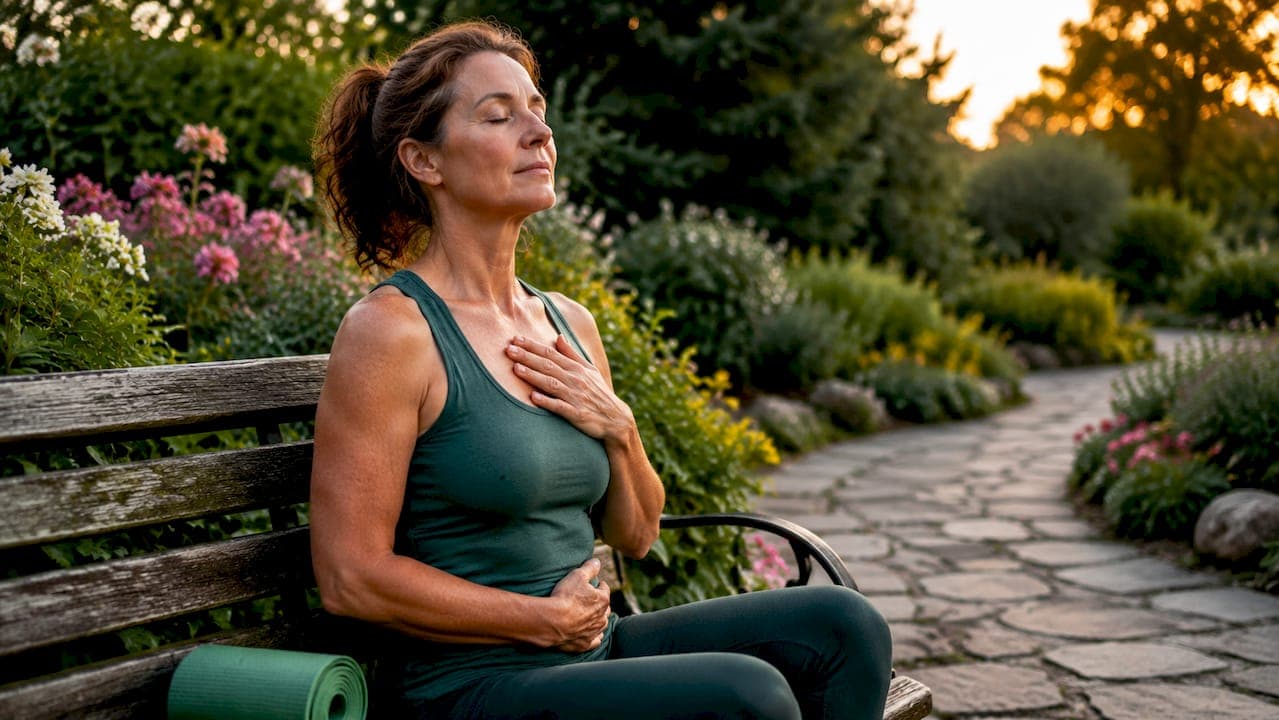
TL;DR:
- Regular physical activity strengthens respiratory muscles and improves oxygen efficiency. Breathing exercises like pursed-lip and diaphragmatic breathing enhance lung capacity and reduce breathlessness. Controlling indoor air quality by testing for radon and eliminating pollutants protects lung health over time.
Lung health tips are practical daily actions that improve your breathing efficiency and protect your lungs from long-term damage. The most effective approach combines regular physical activity, targeted breathing exercises, and reducing your exposure to indoor and outdoor pollutants. These habits strengthen your respiratory muscles, improve oxygen exchange, and lower your risk of chronic conditions like COPD, asthma, and lung cancer. Whether you are managing an existing condition or simply want to protect your lungs before symptoms appear, the steps below are grounded in pulmonary research and designed for real daily life.
1. How does regular physical activity improve lung health?
Daily physical activity is one of the most direct ways to strengthen your diaphragm and intercostal muscles, the muscles that control breathing. Stronger respiratory muscles mean your lungs work more efficiently with less effort. That translates to less breathlessness during everyday tasks like climbing stairs or carrying groceries.
The American Lung Association recommends at least 30 minutes of activity daily to improve oxygen efficiency and reduce shortness of breath. That goal is achievable through walking, cycling, swimming, or light strength training. You do not need a gym membership or intense workouts. Consistent moderate movement is what builds lasting respiratory endurance.
Pulmonary rehabilitation research confirms that structured exercise programs reduce breathlessness and improve quality of life for patients with chronic lung disease. The same principles apply to healthy adults. Starting with 10 minutes of brisk walking and building toward 30 minutes is a practical entry point for most people.
- Walking at a brisk pace strengthens the diaphragm without overloading the lungs
- Cycling, both outdoor and stationary, builds cardiovascular and respiratory endurance
- Swimming challenges the lungs to work against water resistance, improving capacity
- Light strength training supports posture, which directly affects how fully your lungs expand
Pro Tip: If you feel winded after two flights of stairs, treat that as a baseline. Track how that changes after four weeks of daily 20-minute walks. Measurable progress keeps you consistent.
2. What breathing exercises are most effective for lung function?
Breathing exercises are a clinically recognized method for improving lung capacity and managing chronic respiratory conditions like asthma and COPD. The two most evidence-backed techniques are pursed-lip breathing and diaphragmatic breathing. Both are free, require no equipment, and can be practiced anywhere.
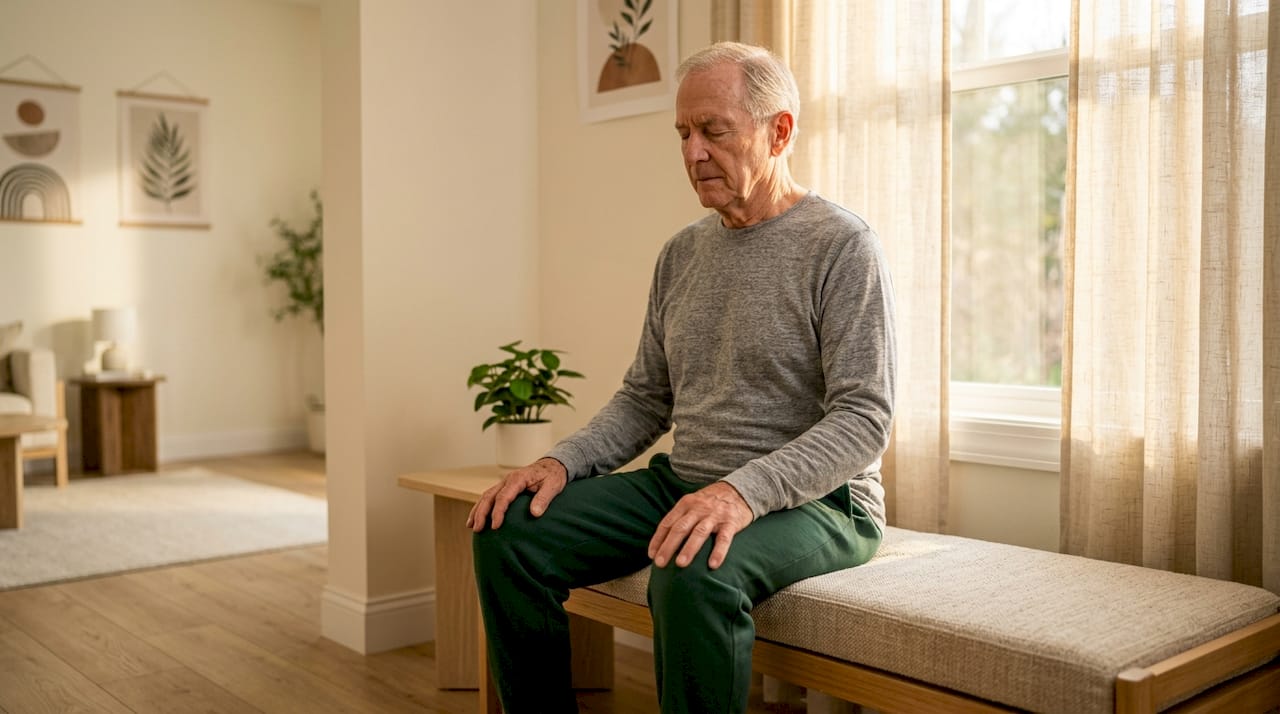
Pursed-lip breathing works by slowing your exhale, which keeps airways open longer and prevents air from becoming trapped in the lungs. To practice it, inhale slowly through your nose for two counts, then exhale through pursed lips for four counts. This technique is especially useful during physical exertion or moments of breathlessness.
Diaphragmatic breathing, also called belly breathing, retrains your diaphragm to do the primary work of breathing instead of your neck and shoulder muscles. Lie on your back with one hand on your chest and one on your belly. Breathe in through your nose and let your belly rise while your chest stays relatively still. This strengthens the diaphragm and improves oxygen intake with each breath.
- Sit or lie in a comfortable position with your shoulders relaxed
- Place one hand on your chest and one on your abdomen
- Inhale slowly through your nose for a count of four, letting your belly expand
- Exhale slowly through pursed lips for a count of six
- Repeat for 5–10 minutes daily
Pulmonary experts recommend practicing these techniques for 5–10 minutes daily. The critical insight is to learn these exercises before you need them. Muscle memory built during comfortable breathing kicks in automatically during a flare-up or moment of respiratory distress.
Breathing exercises also reduce reliance on secondary muscles like the neck and shoulders, conserving energy and making daily activities less taxing. For patients with asthma or COPD, this energy conservation is clinically significant. You can find additional technique guidance through Gardenstatemedicalgroup's resource on asthma breathing techniques.
Pro Tip: Set a phone reminder for the same time each day to practice breathing exercises. Pairing them with an existing habit, like morning coffee or evening TV, makes consistency far easier to maintain.
3. Which environmental factors threaten lung health?
Your environment is one of the most controllable variables in lung health, yet most people underestimate how much indoor air quality affects their respiratory function. Indoor air can be more polluted than outdoor air due to chemicals, mold, radon, and allergens. That fact surprises most people because outdoor smog is more visible.
Smoking damages lung tissue, narrows airways, causes chronic inflammation, and significantly raises the risk of lung cancer and COPD. Secondhand smoke carries the same risks for non-smokers who share a space with someone who smokes. Eliminating tobacco exposure, whether firsthand or secondhand, is the single highest-impact action for lung protection.
Radon gas is the second leading cause of lung cancer after cigarette smoking. Radon is colorless and odorless, which means you cannot detect it without a test. Home testing kits are widely available and inexpensive. If elevated radon levels are found, professional mitigation systems can reduce concentrations significantly.
| Pollutant | Source | Mitigation |
|---|---|---|
| Radon gas | Soil beneath homes | Test and install mitigation system |
| Mold | Damp walls, HVAC systems | Fix leaks, improve ventilation |
| Chemical fumes | Cleaning products, paints | Use outdoors or with ventilation |
| Pet dander | Pets indoors | HEPA filters, regular cleaning |
| Outdoor smog | Traffic, industry | Exercise indoors on high-pollution days |
Practical steps to improve your indoor air quality include:
- Open windows regularly to increase air circulation when outdoor air quality is good
- Use exhaust fans in kitchens and bathrooms to remove moisture and chemical fumes
- Replace HVAC filters every 60–90 days and consider HEPA-rated filters
- Test your home for radon, particularly if you live in a basement or ground-floor unit
- Avoid burning candles or using aerosol sprays in poorly ventilated rooms
For additional guidance on reducing indoor pollutants, practical home strategies can make a measurable difference in daily respiratory comfort.
4. How do lifestyle habits and preventive measures protect your lungs?
Staying hydrated is one of the simplest and most overlooked lung health habits. Hydration facilitates mucus clearance from the lungs, keeping airways clear and reducing the risk of infection. Aim for consistent water intake throughout the day rather than large amounts at once.
Nutrition also plays a direct role in respiratory health. Antioxidant-rich foods like berries, leafy greens, and nuts reduce inflammation in the airways. Chronic airway inflammation is a key driver of conditions like asthma and bronchitis. A diet that limits processed foods and prioritizes whole foods supports the immune response that protects lung tissue.
Vaccinations are a concrete preventive tool that many adults skip. Vaccines against flu, COVID-19, pneumonia, and RSV significantly reduce the risk of lung infections, particularly for people with existing respiratory conditions. Lung infections can cause permanent damage, so prevention is far more effective than treatment after the fact.
Weight management also affects breathing directly. Excess weight around the abdomen restricts the diaphragm's range of motion, making full lung expansion harder. Even modest weight reduction can improve breathing comfort and reduce the effort required for daily activity.
Recognizing early symptoms is equally critical. Many people normalize symptoms like persistent cough, wheezing, or breathlessness, which delays diagnosis and treatment. Lung damage is largely irreversible, which makes early detection the most powerful tool available. Regular check-ups allow healthcare providers to screen for early lung disease before symptoms become severe.
Key takeaways
The most effective approach to lung health combines daily physical activity, consistent breathing exercises, and active management of environmental exposures, because each habit addresses a distinct mechanism of respiratory decline.
| Point | Details |
|---|---|
| Exercise daily | Aim for 30 minutes of moderate activity to strengthen respiratory muscles and improve oxygen efficiency. |
| Practice breathing techniques | Pursed-lip and diaphragmatic breathing for 5–10 minutes daily build lung capacity and reduce breathlessness. |
| Control your environment | Test for radon, improve ventilation, and eliminate tobacco exposure to reduce your biggest lung risks. |
| Stay hydrated and eat well | Consistent hydration clears mucus; antioxidant-rich foods reduce airway inflammation. |
| Get vaccinated and screened | Flu, pneumonia, and RSV vaccines protect vulnerable lungs; regular check-ups catch disease early. |
What I have learned from watching patients overlook the obvious
Most people think lung health is something you address after a diagnosis. That assumption is exactly backward. The patients who maintain the best respiratory function over time are the ones who treat breathing exercises and daily movement as non-negotiable habits, not emergency responses.
The detail that consistently surprises people is the indoor air quality issue. You can do everything right outdoors and still breathe poorly at home because of mold behind a wall, a radon problem in the basement, or cleaning products used in a closed bathroom. Environmental vigilance is not paranoia. It is practical awareness that most lung health articles gloss over.
I also think the breathing exercise advice gets undersold because it sounds too simple. Pursed-lip breathing and diaphragmatic breathing feel almost too basic to matter. But active daily management with physical activity and breathing exercises is as clinically significant as medication for many chronic lung conditions. The problem is that pills feel like medicine and breathing exercises feel like homework. That perception gap costs people real lung function over time.
Track your progress concretely. Note how many flights of stairs you can climb without stopping, or how long you can sustain a brisk walk. Those numbers will improve with consistent effort, and seeing that improvement is what keeps people committed. Gardenstatemedicalgroup's lung health program offers structured support for patients who want professional guidance alongside their daily habits.
— Krunal
Lung health support at Gardenstatemedicalgroup
Gardenstatemedicalgroup serves patients in North Bergen and Secaucus, New Jersey, with a multidisciplinary approach that connects primary care and specialized respiratory services under one roof.

If you want a professional assessment of your current lung function, Gardenstatemedicalgroup's cardiopulmonary care team provides diagnostics and treatment plans tailored to your specific respiratory needs. For patients managing chronic conditions, the primary care team coordinates preventive care, vaccinations, and early screening to protect lung function before problems escalate. Scheduling a consultation is a straightforward first step toward understanding exactly where your lung health stands and what targeted actions will make the most difference for you.
FAQ
How much exercise does it take to improve lung function?
At least 30 minutes of moderate activity daily strengthens respiratory muscles and improves oxygen efficiency. Walking, cycling, and swimming are all effective options.
What is the best breathing exercise for lung health?
Pursed-lip breathing and diaphragmatic breathing are the two most evidence-backed techniques. Practicing either for 5–10 minutes daily improves lung capacity and reduces breathlessness over time.
Is indoor air really worse than outdoor air for your lungs?
Indoor air can be more polluted than outdoor air due to radon, mold, chemical fumes, and allergens. Testing for radon and improving ventilation are the two highest-impact indoor air actions.
What foods support better lung health?
Antioxidant-rich foods like berries, leafy greens, and nuts reduce airway inflammation. Staying well hydrated also supports mucus clearance and keeps airways functioning properly.
When should you see a doctor about lung symptoms?
See a doctor if you experience persistent cough, wheezing, or breathlessness that you have started to consider normal. Early evaluation is critical because lung damage is largely irreversible, and early detection significantly improves outcomes.
Recommended
- 4 Tips for Achieving Better Lung Health | Garden State Medical Group | Garden State Medical Group
- COVID-19 Tips: 4 Ways to Improve & Protect Your Lung Health | Garden State Medical Group | Garden State Medical Group
- 6 Tips to Keep Your Lungs Healthy | Garden State Medical Group | Garden State Medical Group
- 4 Tips to Keep Your Lungs Healthy and In Shape - Our Guide | Garden State Medical Group | Garden State Medical Group