
TL;DR:
- The best alternatives to east.optum.com are modular, transparent, and tailored to healthcare organizations' size and EHR systems. Smaller practices prefer athenahealth, mid-market groups favor QuickIntell, and large IDNs may choose Epic or Cerner for scalability and integration. Providers should prioritize billing transparency and consider support costs when selecting an appropriate platform.
What are the top alternatives to east.optum.com for US healthcare organizations?
The most effective alternatives to Optum's platforms are modular, pricing-transparent, and built to fit your organization's existing EHR and care model. Based on analysis from QuickIntell and ITQlick, the leading options span enterprise EHR giants, AI-native RCM vendors, and ambulatory-focused platforms.
| Platform | Best For | Focus Area | EHR Integration | Transparency & Audit Rights | Usability |
|---|---|---|---|---|---|
| Gardenstatemedicalgroup | Organizations needing integrated clinical + admin management | Billing, care management | Multidisciplinary integration | Strong billing transparency | Moderate |
| athenahealth | Independent and mid-sized practices | Billing, RCM | Cloud-native, broad EHR | Transparent pricing published | High |
| Epic Systems | Large IDNs and hospital systems | RCM, EHR, analytics | EHR-native RCM | Moderate; bespoke contracts | Complex |
| Cerner | Hospitals and large health systems | EHR, RCM, population health | Scalable integration | Moderate | Complex |
| QuickIntell | Mid-market groups, AI-driven RCM | RCM, coding, denial prediction | Layered on existing EHRs | Published per-provider pricing | Moderate |
| Healthy Planet | Care management-focused organizations | Care management, analytics | Analytics integration | Moderate | Moderate |
| HealtheCare | Providers needing clinical analytics | Clinical analytics | Decision support integration | Moderate | Moderate |
| QlikView (Legacy) | Organizations with existing QlikView investment | Data visualization | Flexible BI integration | Low | Moderate |
| athenahealth Population Health | Clinics prioritizing population health | Population health, RCM | Cloud-based athenahealth EHR | Transparent | High |
| HealtheIntent – HealtheEDW | Enterprise data aggregation | Analytics, population health | Enterprise-scale | Moderate | Complex |
| dbMotion | Interoperability-focused organizations | Data exchange | Cross-system integration | Moderate | Moderate |
| 3M 360 Encompass | Coding and risk adjustment needs | Analytics, coding | Broad EHR compatibility | Moderate | Moderate |
| Arcadia Analytics | Value-based care providers | Population health analytics | Integrated analytics | Strong | Moderate |
| Greenway Health | Ambulatory and mid-market providers | EHR, RCM, practice management | Ambulatory-focused | Moderate | High |
| eClinicalWorks | Small to mid-sized practices | EHR, RCM, practice management | All-in-one ambulatory | Moderate | High |
| NextGen | Medium ambulatory practices | EHR, RCM, analytics | Customizable workflows | Moderate | High |
| Quanum | Mid-market ambulatory providers | EHR, RCM, population health | Integrated platform | Moderate | Moderate |
| Nextech | Specialty clinics | EHR, RCM | Specialty-centric | Moderate | Moderate |
| MedicsPremier | Physician groups | Scheduling, billing | Practice management | Moderate | High |
| Benchmark Solutions | Analytics-driven RCM providers | Analytics, RCM | Integrated analytics | Moderate | Moderate |
| DUXware | Specialty practices | Practice management, RCM | Specialty-focused | Moderate | Moderate |
| ChartLogic | Ambulatory providers | EHR, billing | Ambulatory integration | Moderate | High |
| Allscripts | Mid-market and enterprise providers | EHR, RCM | Broad integration | Moderate | Moderate |
| Brightree | Post-acute and home health providers | RCM, billing | Post-acute integration | Moderate | Moderate |
Optum's pricing model relies on enterprise licensing plus per-transaction and bespoke service fees, which limits budget predictability. athenahealth and QuickIntell both publish clearer pricing, making them easier to evaluate before an RFP.
Table of Contents
- How do you choose the right Optum alternative for your organization?
- What do real users say about Optum alternatives?
- How do security and compliance standards compare across these platforms?
- Where does Optum stand in the US healthcare market today?
- How do Optum alternatives compare on specific features?
- What customer support and training do these alternatives offer?
- Gardenstatemedicalgroup offers integrated care beyond software platforms
- FAQ
- Key Takeaways
How do you choose the right Optum alternative for your organization?
Your organization's size and existing EHR posture are the two factors that matter most. Large IDNs already running Epic should prioritize EHR-native RCM rather than a separate clearinghouse vendor. Mid-market physician groups benefit most from AI-native tools like QuickIntell that layer onto existing systems without a full platform migration.
- Enterprise IDNs: Epic Systems and Cerner offer the depth and scalability these organizations require, though implementation costs can run $30,000–$60,000 upfront and scale with customization.
- Mid-market groups: QuickIntell's published per-provider-per-month tiers and modular approach give finance teams a concrete number to work with from day one.
- Independent practices: athenahealth consistently ranks as the preferred choice for billing transparency and ease of use among smaller providers.
Billing transparency and full audit rights deserve particular attention when evaluating pharmacy benefits management vendors. As Judi Health documents, newer pass-through PBM models eliminate the hidden incentives embedded in legacy spread-pricing arrangements like OptumRx.
Pro Tip: Consider a modular, best-of-breed approach: separate vendors for clearinghouse, EHR/practice management, and analytics often deliver better pricing transparency and agility than a single integrated platform.
Budget 10–15% above any vendor quote for customization and ongoing support. Hidden implementation fees frequently exceed initial estimates, particularly for complex integrations.
What do real users say about Optum alternatives?
athenahealth earns consistent praise from independent practices for its user-friendly interface and transparent billing, though some users note limited customization compared to Epic. Epic users in large health systems value its deep EHR-native RCM but frequently cite complexity and long implementation timelines as drawbacks. Cerner receives similar feedback: strong scalability, but high upfront costs and implementation demands.

Greenway Health and eClinicalWorks tend to score well among ambulatory providers who want an all-in-one system without enterprise-level complexity. NextGen users highlight workflow flexibility as a standout, while Quanum appeals to mid-market groups that want a single integrated platform. For healthcare RCM vendor comparisons, billing transparency consistently surfaces as the deciding factor in user satisfaction.
How do security and compliance standards compare across these platforms?
Every major platform on this list maintains HIPAA compliance as a baseline. Epic and Cerner, given their enterprise footprint, invest heavily in SOC 2 Type II certification and regular third-party audits. athenahealth's cloud-native architecture includes built-in encryption and role-based access controls, which simplifies compliance management for smaller practices.

QuickIntell, as an AI-native vendor, applies HIPAA-compliant data handling to its autonomous coding and denial prediction modules. Arcadia Analytics and HealtheIntent both address compliance at the enterprise data warehouse level, with audit logging and access controls suited to population health programs. When evaluating any vendor, request their most recent HIPAA risk assessment and ask specifically about Business Associate Agreement terms.
Where does Optum stand in the US healthcare market today?
Optum operates as the health services arm of UnitedHealth Group, which reported 2025 revenue of $270.6 billion, a 7% increase year over year. That scale makes Optum a dominant force for large health systems and ACOs seeking an all-in-one RCM, clearinghouse, and analytics partner.
The complexity that comes with that scale is also what drives many providers to look elsewhere. Optum's payer-adjacent positioning raises conflict-of-interest concerns for some provider organizations, and its enterprise licensing model makes cost benchmarking difficult before contract negotiations begin.
How do Optum alternatives compare on specific features?
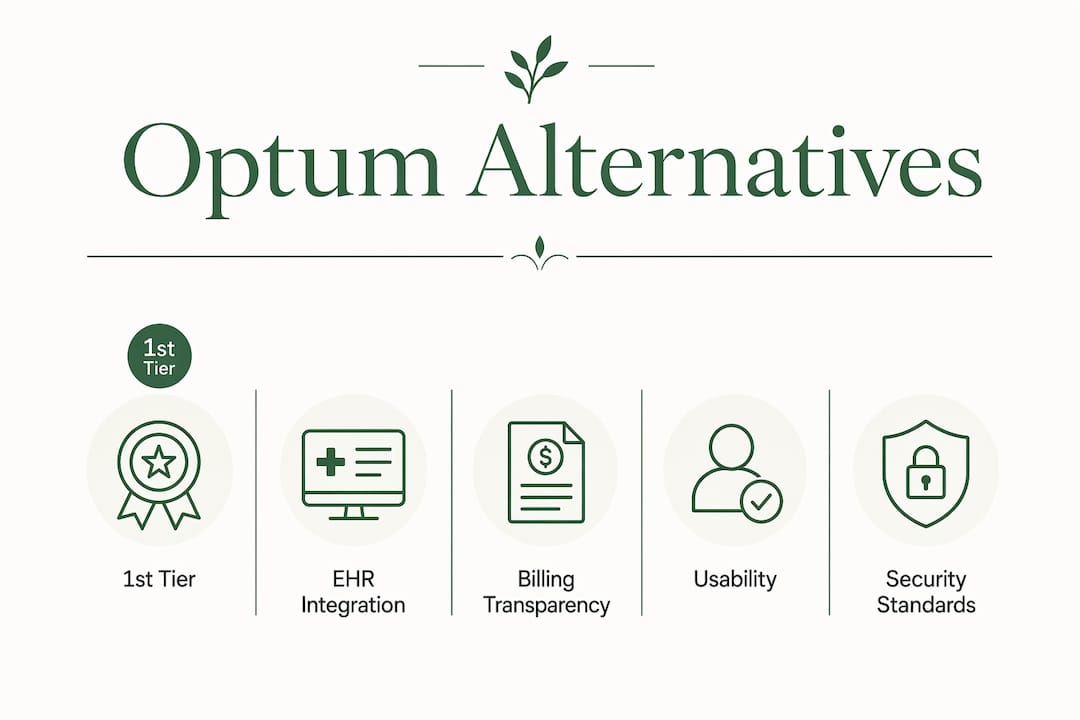
For coding and risk adjustment, 3M 360 Encompass and Arcadia Analytics offer depth that rivals Optum's analytics suite. For interoperability, dbMotion specializes in cross-system data exchange where Optum's platform can feel rigid. Nextech and DUXware serve specialty practices with tailored workflows that general-purpose platforms rarely match. For athenahealth as an alternative to Optum, the billing transparency advantage is well-documented for smaller provider groups.
What customer support and training do these alternatives offer?
Epic and Cerner provide dedicated implementation teams and extensive training programs, though these are priced into their contracts. athenahealth offers web-based training and a customer support portal suited to practices without large IT departments. QuickIntell's modular design means onboarding is scoped to the specific modules deployed, reducing training burden. Greenway Health and eClinicalWorks both offer live support and online knowledge bases, which ambulatory practices consistently cite as a practical advantage.
Gardenstatemedicalgroup offers integrated care beyond software platforms
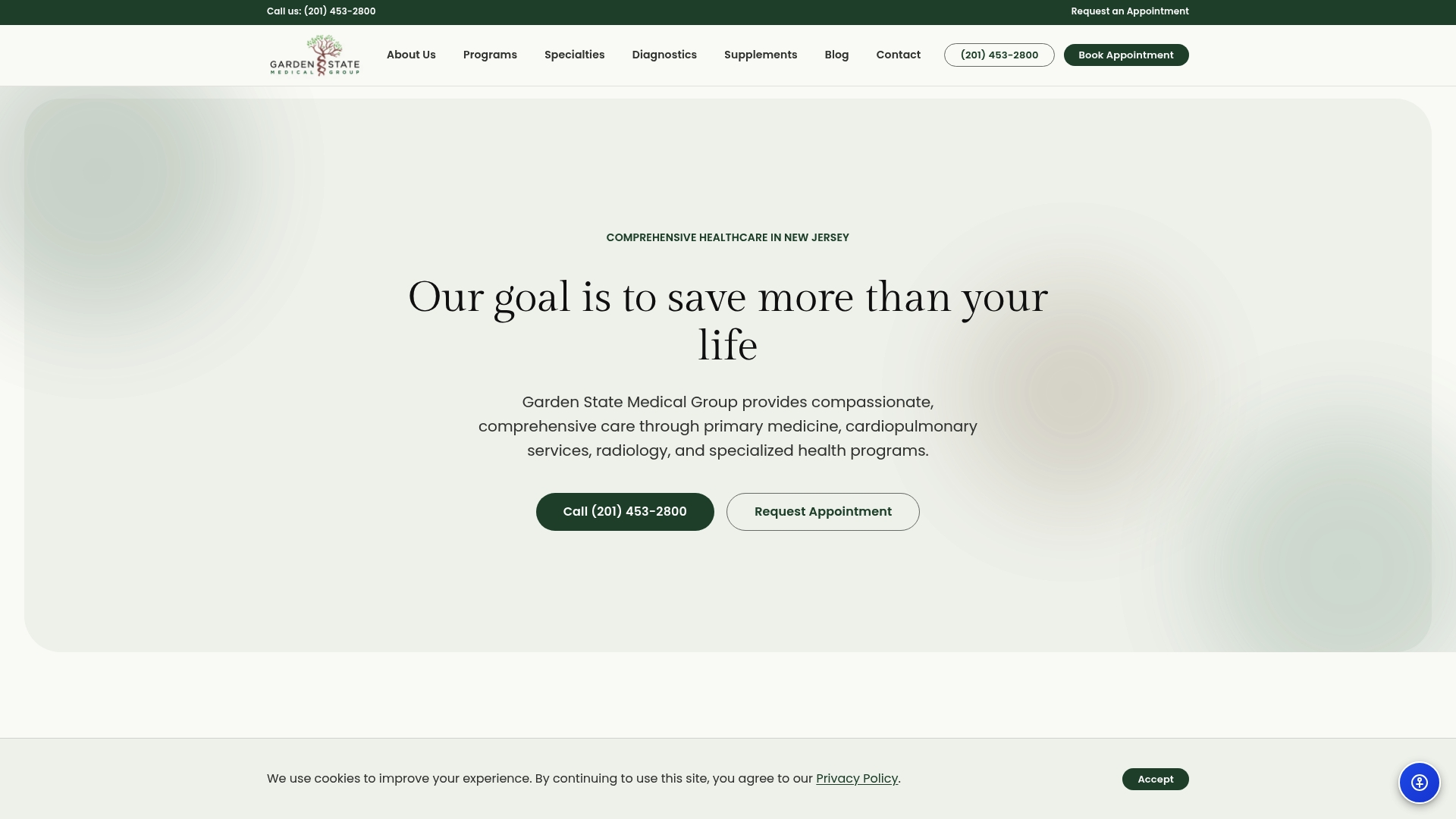
If the platforms above feel like a complex procurement exercise, Gardenstatemedicalgroup offers a different path. Rather than software alone, Gardenstatemedicalgroup delivers multidisciplinary clinical and administrative management under one roof, integrating primary care, cardiopulmonary services, radiology, and targeted health programs for diabetes, bone health, and weight management. Billing transparency and operational support are built into the practice model, not negotiated as contract add-ons. Healthcare administrators evaluating overall management solutions can review the full range of health programs and contact the team directly to discuss how Gardenstatemedicalgroup's approach fits their organization's goals.
FAQ
What companies are the best alternatives to Optum?
athenahealth, Epic Systems, Cerner, QuickIntell, Greenway Health, and eClinicalWorks are the most frequently evaluated alternatives, with the best fit depending on your organization's size and EHR environment.
Why are some doctors leaving Optum Medical Group?
Physicians cite concerns about administrative complexity, payer-adjacent conflicts of interest, and limited autonomy in clinical decision-making as common reasons for seeking alternatives.
What are the most common complaints about Optum?
Lack of pricing transparency, complex enterprise licensing, and implementation costs are the complaints that appear most consistently across user reviews and analyst comparisons.
Is Optum financially strong despite provider concerns?
Yes. UnitedHealth Group reported $270.6 billion in 2025 revenue, reflecting Optum's market strength, though that scale also contributes to the complexity that motivates some providers to evaluate simpler alternatives.
Key Takeaways
The most effective east.optum.com alternatives are modular, pricing-transparent platforms matched to your organization's size, EHR environment, and care model priorities.
| Point | Details |
|---|---|
| Match platform to org size | Large IDNs fit Epic or Cerner; mid-market groups benefit from QuickIntell; independent practices favor athenahealth. |
| Budget for hidden costs | Implementation fees can be significant upfront; add extra for customization and support. |
| Prioritize billing transparency | Vendors like athenahealth and QuickIntell publish pricing tiers, making cost benchmarking possible before contract talks. |
| Audit rights matter in PBM | Pass-through PBM models with full audit rights eliminate hidden incentives common in legacy arrangements. |
| Gardenstatemedicalgroup | Offers integrated clinical and administrative management with built-in billing transparency as a service-driven alternative to software-only platforms. |