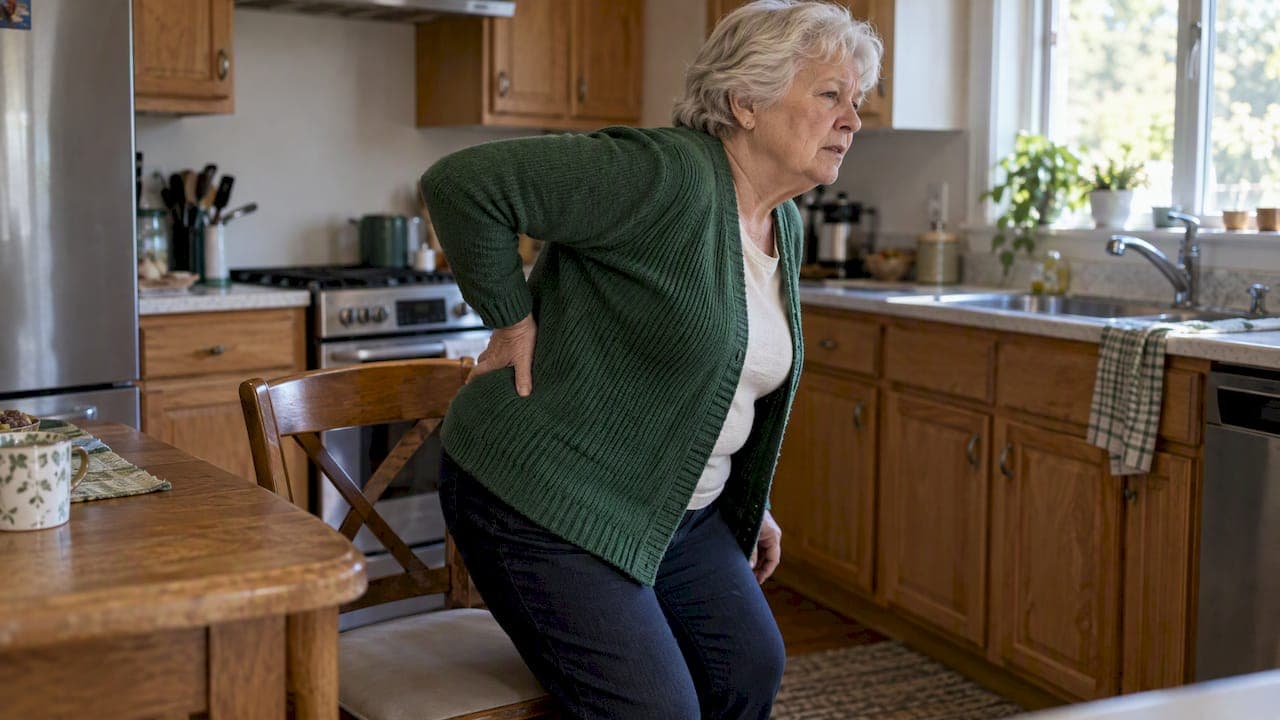
Depression is not a normal part of aging. Rates are lower in older adults than in younger groups, but depression still affects many older people and responds well to treatment. Recent national data put two-week prevalence at 8.7% among adults 60 and older. If you or someone you love shows signs of depression, the first step is simple: ask a primary care clinician about screening with the PHQ-2 and PHQ-9.
TL;DR:
- Older adults may first report fatigue, slowed movement, aches, or forgetfulness rather than sadness; people with depression often recognize cognitive changes, unlike those with dementia.
- Late onset depression after 60 is more strongly associated with vascular or neurodegenerative changes, while untreated hearing loss can deepen isolation and mood symptoms.
- The two question mood screen typically leads to a longer symptom questionnaire; clinicians may also review medications, check thyroid function, and assess memory concerns.
- For mild to moderate depression after 65, psychotherapy is generally first line; antidepressants need monitoring for falls, blood pressure changes, and drug interactions.
- Suicide talk, a specific plan, firearm access, or a sudden steep decline requires urgent action; call 911 if danger is imminent, or contact 988 for support.
Table of Contents
- Symptoms and Easy-to-Miss Signs of Depression in Older Adults
- Causes and Risk Factors Behind Late-Life Depression
- How Common Is Depression in Older Adults?
- Screening Tools: PHQ-2, PHQ-9, and the Primary Care Role
- Treatment Options That Work for Older Adults
- How Caregivers Can Recognize Problems and Support Care
- When Depression Becomes a Safety Emergency
- How We Screen for and Treat Depression in Older Adults
- Schedule a Screening or Primary Care Visit
- FAQ
- Sources
Symptoms and Easy-to-Miss Signs of Depression in Older Adults
Depression in later life does not always look like sadness. Many older adults describe fatigue, slowed movement, or unexplained aches rather than a low mood, which is why primary care screening matters so much at this stage of life. Emotional withdrawal and loss of interest in hobbies are still common, but physical complaints often arrive first and get mistaken for aging itself or another illness.
Cognitive symptoms add another layer of confusion. Trouble concentrating or forgetfulness can mimic early dementia, though people with depression usually recognize that something is wrong, while those with dementia often do not notice the same changes in themselves.
Caregivers frequently spot the earliest clues before the person does:
- Pulling away from family, friends, or regular activities
- Letting personal hygiene or household tasks slide
- Skipping medical appointments or forgetting medications
- Eating much less (or more) than usual, or sleeping poorly
Watching for these patterns over weeks, not days, gives a clearer picture than any single off day.
Causes and Risk Factors Behind Late-Life Depression
Depression in older adults rarely has one cause. It tends to build from a mix of physical, medical, and social pressures that accumulate over time.
- Chronic conditions such as heart disease, stroke, chronic pain, or cancer raise risk, and vascular changes in the brain are linked to some cases of late-life depression
- Taking multiple medications (polypharmacy) can contribute to mood changes, and alcohol or substance use can worsen symptoms
- Loneliness, bereavement, hearing loss, caregiving responsibilities, and financial strain all add psychological weight
- Late-onset depression, appearing for the first time after 60, carries a stronger association with vascular or neurodegenerative changes than depression that first appeared decades earlier
Hearing loss deserves particular attention. NIA guidance notes that untreated hearing loss contributes to social withdrawal, and a hearing evaluation is a low-risk step that sometimes eases depressive symptoms tied to isolation.
How Common Is Depression in Older Adults?
8.7% of adults age 60 and older reported depression symptoms in the past two weeks, according to recent CDC data, compared with 13.1% across all adults 12 and older. Prevalence tends to decline with age and runs higher among women than men.
That 8.7% figure comes from the PHQ-9, a nine-item questionnaire that asks about symptoms over the prior two weeks rather than measuring a lifetime diagnosis. It is a snapshot, not a lifetime risk estimate, which is one reason regular screening matters more than a single assessment years apart.
Screening Tools: PHQ-2, PHQ-9, and the Primary Care Role
Most screening starts small. The PHQ-2 asks two quick questions about mood and interest in activities, and a positive result leads to the longer PHQ-9, which maps onto diagnostic criteria and helps a clinician judge severity from mild to severe. The Geriatric Depression Scale is another option, built with wording and format suited to older adults.

Screening works best inside primary care, where a clinician already knows a patient's health history. Measurement-based care programs that use these tools systematically have been associated with better identification rates and higher remission compared with informal, ad hoc conversations about mood.
A full workup after a positive screen typically includes:
- A review of current medications, since several common drugs can affect mood
- A physical exam and basic lab tests to rule out thyroid problems or other medical causes
- Cognitive testing when memory complaints are part of the picture
Our own breakdown of PHQ-9 scores and what they mean for next steps walks through how scoring translates into a care plan.
Treatment Options That Work for Older Adults
Depression in older adults responds to the same core treatments used at any age, though the order and the precautions shift.
- Psychotherapy, including cognitive behavioral therapy and interpersonal therapy, is generally recommended as a first-line option for mild to moderate depression in adults 65 and older
- SSRIs and other antidepressants can help, though they require closer monitoring in older adults because of fall risk, blood pressure changes, and interactions with other medications
- Exercise and social engagement have supportive evidence for easing symptoms, and for depression that does not respond to standard treatment, options like rTMS or ECT may be considered
- Systematic follow-up using tools like the PHQ-9 helps track whether a treatment plan is actually working, rather than guessing based on how a visit goes
Pro Tip: Bring your last two weeks of sleep, appetite, and mood notes to your appointment. A specific pattern is far more useful to a clinician than "I've been feeling off."
Our healthy aging guide covers practical steps on exercise and sleep that pair well with formal treatment.
How Caregivers Can Recognize Problems and Support Care
Family members are often the ones who notice depression first and the ones who help someone get care. A few concrete steps make a real difference.
- Start the conversation gently, focusing on specific changes you have noticed rather than labeling the behavior as depression
- Write down symptoms, medication lists, and any PHQ responses before the appointment so nothing gets lost in a short visit
- Help maintain daily routines, encourage social activities, schedule a hearing check if needed, and keep an eye on medication adherence
- Watch for red flags such as sudden withdrawal, talk of hopelessness, or a sharp decline in functioning, and treat these as reasons to seek care sooner rather than later
Our elderly wellness checklist gives a printable format for tracking these details before a visit.
When Depression Becomes a Safety Emergency
Some situations call for immediate action. Talk of suicide, a specific plan, access to firearms, or a sudden steep decline in functioning are all red flags that cannot wait for a scheduled appointment. Call 911 if danger seems imminent, or contact the 988 Suicide and Crisis Lifeline for immediate support. Remove access to firearms or medications stockpiled in quantity if it is safe to do so, then arrange urgent follow-up with a primary care or mental health provider once the immediate crisis has passed.
How We Screen for and Treat Depression in Older Adults
We built our primary care visits around the idea that mood and physical health get evaluated together, not separately. Our clinicians use standard screening tools during routine visits, and our Memory and Cognition Care Program exists specifically for patients whose symptoms blur the line between depression and cognitive decline. Chronic care management and on-site diagnostics mean a single visit can address mood, medications, and any underlying physical condition at once, with telemedicine available for patients who prefer it.
Schedule a Screening or Primary Care Visit
If you are noticing changes in mood, energy, or memory in yourself or someone you care for, our primary care team can start with a simple conversation and a screening questionnaire. Bring a current medication list and a few notes on recent changes in sleep, appetite, or mood. You can request an appointment or a telemedicine visit through our Primary Care page and get a visit on the calendar this week.
This article is general information, not a substitute for advice from a qualified doctor. Consult a qualified healthcare professional about your own circumstances before acting on anything here.
FAQ
How do I get help for depression?
Start with a primary care visit and ask for a depression screening using the PHQ-2 or PHQ-9. A positive screen usually leads to a referral for psychotherapy, medication, or both, depending on severity and personal preference.
How can I help an elderly parent with mental health issues?
Notice specific changes such as withdrawal, skipped meals, or missed appointments, and bring those details to a medical visit rather than relying on memory alone. Encourage routines, social activity, and hearing checks, since untreated hearing loss is linked to worsening isolation and mood symptoms.
How can older adults manage their mental health day to day?
Regular exercise, social engagement, and consistent sleep routines all have supportive evidence for easing depressive symptoms. Staying current with medical appointments and medication reviews also helps catch mood changes tied to physical illness or drug interactions early.
Does depression become more common with age?
No, prevalence generally goes down with age rather than up. CDC data show 8.7% of adults 60 and older reported depression symptoms in a two-week period, lower than the 13.1% rate across all adults 12 and older.
How is depression different from dementia in older adults?
Depression often comes with cognitive complaints like forgetfulness, but people with depression typically still recognize that something feels wrong. In early dementia, memory and insight changes tend to go unnoticed by the person experiencing them, which is one way clinicians start to distinguish between the two.
Sources
- Depression and older adults | National Institute on Aging
- NCHS Data Brief, Number 527, April 2025
- Implementation and outcomes of VitalSign6 measurement-based depression care (PMCID)
- Late-life depression overview (NCBI Bookshelf)